

ASTM B733 Plating Services
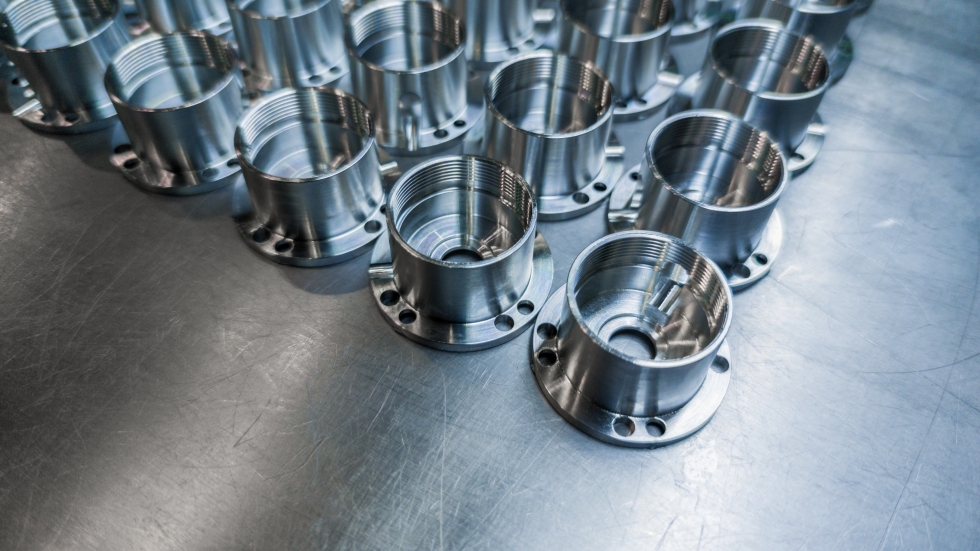
Precision-machined components frequently fail under severe friction and corrosive industrial environments. Protecting these expensive metal parts without compromising strict dimensional tolerances remains an incredibly challenging engineering hurdle.
At Micro Plating, our ASTM B733 plating services deposit uniform nickel-phosphorus alloys and increase the hardness of your plated components. Our electroless nickel baths stop severe corrosion and extend the operational lifespan of your machinery.
Get a Quote for ASTM B733 Plating Services
What Is the ASTM B733 Plating Specification?
ASTM B733 dictates the exact chemical and physical requirements for autocatalytic nickel-phosphorus plating on metal substrates. This process deposits a highly uniform metallic layer across complex geometries and deep recesses.
Engineered for Extreme Wear
The standard organizes these specific chemical formulations and baking temperatures into distinct classifications to match severe industrial environments:
- Phosphorus Content Types: The specification categorizes chemical baths by phosphorus content, and we specialize in high- and medium-phosphorus formulations to control deposit hardness.
- Service Condition Thickness: Environmental severity dictates the minimum required deposit thickness, ranging from 5 to 75 micrometers.
- Thermal Baking Classes: Post-plating heat treatments categorize the deposit into six distinct thermal cycles that crystallize the metallic alloy.
- Hydrogen Embrittlement Relief: Strict thermal baking protocols heat high-strength steel at 200 degrees Celsius to extract trapped hydrogen and prevent catastrophic substrate cracking.
- Base Metal Bonding: The autocatalytic bath bonds the nickel-phosphorus matrix directly to carbon steel and aluminum substrates.
Preventing Catastrophic Failure in High-Friction Environments
Specifying the correct phosphorus content and thermal treatment prevents galling and premature wear on critical moving assemblies. Industrial components subjected to these chemical processes survive highly corrosive atmospheres and drastically extend the lifespan of machinery.
Micro Plating Provides ASTM B733 Plating Services in Erie, PA
At Micro Plating, our ASTM B733 plating services deposit corrosion-resistant nickel-phosphorus alloys that increase the hardness of your plated components. This electroless chemical process protects critical mechanical assemblies from salt-spray corrosion and extreme abrasive wear.
Engineered Plating Capabilities
Electroless nickel plating requires precise chemical-bath concentrations and post-plating thermal cycles to increase deposit hardness and prevent oxidation. We can adapt this chemical process to protect your specific components:
- High-Phosphorus Baths: Our 10-12% high-phosphorus formulation builds a non-magnetic structure and resists 1000 hours of marine salt spray.
- Medium-Phosphorus Baths: The 6-9% medium-phosphorus mixture maintains a bright aesthetic and hardens the plated surface of mechanical components up to 65 Rc.
- MicroNite Black EN: A dual-layer system featuring a black topcoat over a high-phosphorus base achieves electrical conductivity and 4-6% light emissivity.
- Inert Atmosphere Baking: We operate several thermal ovens that extract trapped hydrogen gas without introducing secondary surface oxidation.
- Glass Bead Blasting: High-pressure abrasive media deburrs machined edges and smooths the substrate to maximize chemical alloy adhesion.
Electroless Nickel Extends Component Lifespan
The calibrated phosphorus baths and thermal ovens at Micro Plating drive deposit hardness to 65-70 Rc on heat-treated substrates. These chemical deposits stop abrasive wear and prevent catastrophic structural cracking in the field.
ASTM B733 vs. MIL-C-26074
Legacy aerospace blueprints commonly dictate MIL-C-26074 for electroless nickel plating on critical defense components. Engineers frequently specify the active ASTM B733 commercial standard alongside this legacy military specification and achieve identical metallurgical results.
Identical Chemical and Thermal Requirements
Both engineering specifications mandate these exact physical and chemical requirements for the final nickel deposit:
Phosphorus Content Grades: Both specifications divide the chemical bath into distinct phosphorus weight percentages to control final deposit hardness.
Minimum Deposit Thickness: Commercial and military standards specify exact micrometer thicknesses based on the severity of the operating environment.
Hydrogen Embrittlement Relief: Both engineering standards mandate strict thermal extraction protocols for high-strength steel before the parts can pass final aerospace inspection.
Adhesion Testing Protocols: Physical bend and heat tests verify the chemical bond meets strict aerospace tolerances under both plating codes.
ASTM B733 Satisfies Legacy Military Drawings
Micro Plating plates critical defense hardware to both ASTM B733 and MIL-C-26074. Your parts achieve identical physical hardness and corrosion resistance under either specification.
RoHS-Compliant Electroless Nickel Eliminates Edge Buildup
Traditional electrolytic plating clogs critical threaded holes and builds up unevenly on sharp exterior corners. RoHS-compliant electroless nickel plating from Micro Plating eliminates edge buildup and deposits a uniform thickness across all geometric features.
Consistent Deposition Eliminates Post-Plate Machining
The autocatalytic chemical bath deposits a highly uniform metallic layer across your precision-machined components:
- Zero Electrical Current: The complete absence of electrical current prevents the heavy metallic buildup typically found on sharp exterior corners.
- Consistent Deposition Rates: The autocatalytic chemical reaction deposits the nickel-phosphorus alloy uniformly across all exposed surfaces.
- Threaded Hole Protection: The uniform nickel-phosphorus alloy coats tapped holes evenly, eliminating post-plate thread chasing.
- Blind Hole Penetration: Because the aqueous solution flows freely into deep, recessed cavities, the alloy coats internal geometries without the need for complex auxiliary anodes.
- Mating Surface Accuracy: The uniform-thickness deposit allows intricate mechanical assemblies to slide together without requiring physical modification.
Dimensional Accuracy Prevents Material Scrap
Uneven electrolytic edge buildup drives precision-machined components outside their engineered tolerances, forcing costly rework. Micro Plating coats your precision parts evenly and protects your machined components from costly rework or scrap.
Frequently Asked Questions
Q: Does Micro Plating formulate composite PTFE coatings?
A: Our proprietary MicroLube formulation infuses PTFE particles directly into the electroless nickel deposit.
Q: What other aerospace specifications does Micro Plating support?
A: Micro Plating cross-references and plates precision components to meet AMS 2404, AMS 2454, AMS-C-26074, and MIL-DTL-32119 standards.
Q: How does REACH compliance differ from RoHS directives?
A: RoHS directives restrict the use of heavy metals in electronic equipment, whereas REACH compliance governs the chemical safety of physical products sold in the European Union.
Q: How does the in-house laboratory verify alloy quality?
A: Micro Plating operates advanced in-house testing equipment to monitor the chemical concentrations of the aqueous solutions continuously.
Choose Micro Plating for ASTM B733 Plating Services
ASTM B733 plating dictates the exact chemical and thermal requirements for protecting machined metal substrates. This electroless chemical process stops severe abrasive wear and prevents catastrophic component failure in the field.
Micro Plating plates your critical defense and industrial hardware to the exact ASTM B733 engineering specifications. Our medium and high-phosphorus electroless chemical baths deposit a uniform metallic barrier against severe industrial corrosion.