

Non-Magnetic Electroless Nickel Plating
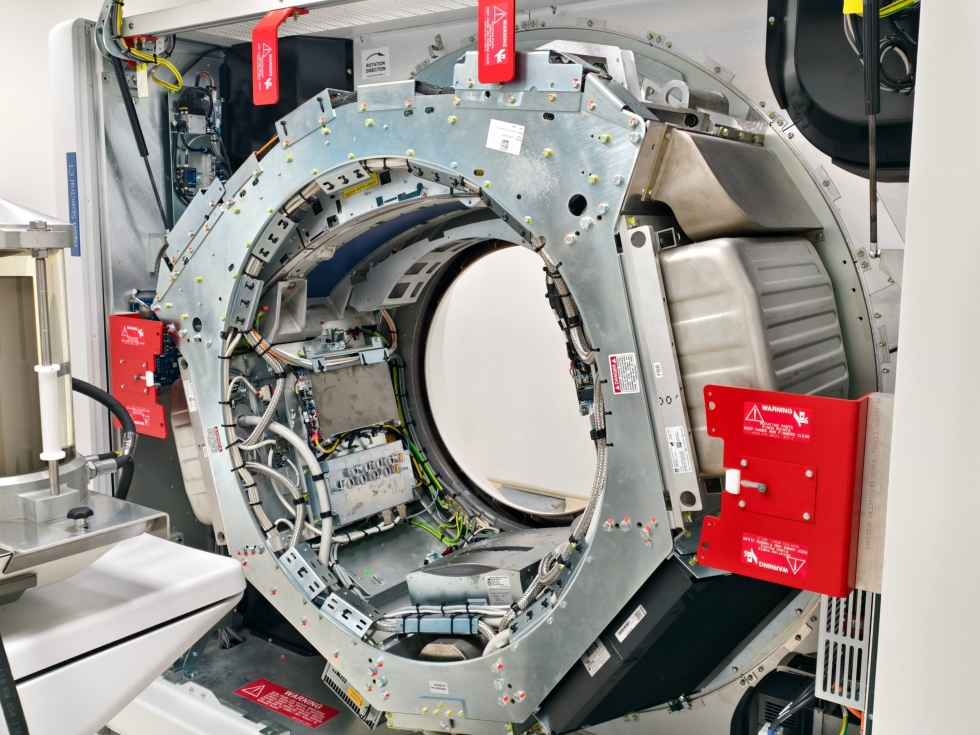
Magnetic deposits corrupt electronic signals and render critical medical imaging equipment completely useless. Procurement teams need plating processes that shield intricate geometries from rust and eliminate ferrous attraction completely. This dual standard often creates challenges for engineers sourcing critical hardware coatings.
Micro Plating provides industry-leading, non-magnetic electroless nickel plating services that deliver uniform, non-magnetic coatings for your hardware. Those consistent layers eliminate post-plate machining and reduce overall production scrap rates. Read on to learn more about our high-phosphorus ENP services.
Get a Quote for Non-Magnetic ENP Plating Services
Industries and Applications of Non-Magnetic ENP
High-phosphorus electroless nickel protects complex geometries from corrosion without introducing magnetic interference. Common industries and their applications include:
Electric
Ferrous metals near sensitive components bend signal paths and degrade clarity in high-speed circuits. Connector pins and waveguide enclosures avoid this problem through high-phosphorus plating, shielding conductors without introducing magnetic disruption. Finished surfaces preserve data fidelity in hard drive assemblies and semiconductor fixtures that run continuously.
Medical
MRI scanners generate powerful imaging forces that pull steel instruments toward the bore, endangering patients. Surgical tools, pacemaker shells, and orthopedic hardware, therefore, receive non-magnetic alloy deposits to eliminate attraction during diagnostic procedures. The same finishes withstand bodily corrosion throughout years of implantation or repeated sterilization cycles.
Aerospace
Jet propulsion systems and navigation devices operate in environments where radio-frequency noise distorts avionics communications and gauge readings. Turbine fasteners, hydraulic valves, and sensor casings accept nickel-phosphorus films to prevent field distortion while resisting salt spray and oxidation. Those layers uphold mechanical integrity and positional precision across thousands of flight cycles.
Industry-Leading Non-Magnetic ENP from Micro Plating
Micro Plating provides high-phosphorus electroless nickel plating services that deposit magnetically inert coatings on steel, aluminum, and brass. Our Erie facility carries in-house testing equipment and ships within six days of material receipt.
Verified Chemistry and Coverage
Phosphorus Control: We plate at 10–12% phosphorus, with 11.5% as the typical value. That concentration produces nickel-phosphorus deposits with non-magnetic properties.
Salt Spray: Finished coatings withstand 1000+ hours of ASTM B117 salt spray on aluminum and carbon steel panels. Lower-phosphorus alternatives fail to match this level of protection by a margin of 4:1 or more.
Uniform Coverage: Threaded bores and complex contours receive 100% nickel coverage through autocatalytic chemical deposition. That even buildup removes the need for post-plate polishing or machining.
Military Specs: We refine plating thicknesses and finish properties to meet AMS 2404, ASTM B733, MIL-C-26074, and MIL-DTL-32119 specifications. Every bath maintains RoHS and REACH compliance, minimizing exposure to hazardous substances in finished parts.
In-House Testing: X-ray fluorescence analyzers verify alloy content and coating thickness inside our Erie laboratory. Internal testing confirms specifications before finished parts leave the facility.
Experience: Twenty-five years of plating across military, medical, and industrial sectors inform the processes we run today. We work closely with customers to develop solutions that meet hardness, corrosion resistance, and lubricity requirements.
Turnaround: We process raw materials at our Pennsylvania facility and ship within six days. That speed keeps production schedules intact.
Why This Matters
At Micro Plating, every non-magnetic coating undergoes internal verification before shipment from our Pennsylvania facility. Those confirmed layers prevent field distortion and pitting and remove post-plate machining steps.
What Makes Electroless Nickel Non-Magnetic
The phosphorus concentration in high-phosphorus electroless nickel deposits ranges from 10% to 12%. Nickel-phosphorus alloys at this concentration remain non-magnetic, while lower-phosphorus deposits at 6–9% demonstrate magnetic behavior.
Alloy Composition and Properties
| Property | Specification |
| Phosphorus content | 10–12% by weight (typical 11.5%) |
| Magnetic properties | Non-magnetic; medium phosphorus (6–9%) remains magnetic |
| Hardness (as-plated) | 40–48 Rc (450 HV / 400–500 HK) |
| Hardness (heat-treated) | 68–70 Rc (815 HV / 850–1000 HK at 550°F for 4 hours) |
| Density | 7.8 g/cm³ (range 7.6–7.9) |
| Melting point | ~1620°F |
| Electrical resistivity | 110–140 µΩ·cm |
| Porosity | Low to zero, depending on deposit thickness |
| Stress | Compressive stress tested |
| Appearance | Semi-bright, similar to stainless steel |
Magnetic Inertness for Precision Hardware
Nickel-phosphorus alloys at 10–12% phosphorus remain magnetically inert throughout the deposit. That non-magnetic structure combines with low porosity and compressive stress resistance across the full coating thickness.
Why Magnetic Coatings Create Problems
Precision hardware retains magnetism after medium-phosphorus electroless nickel chemical bath immersion cycles. That magnetism corrupts electronic signals and accelerates ferromagnetic projectiles.
Magnetic Hazards in Equipment
Signal Corruption: Nearby magnetic fields induce unwanted electrical currents inside sensitive electronic circuits and assemblies. Induced currents distort communication signals and thermally destroy circuit elements and microchips.
MRI Projectiles: A 1.5T MRI magnet pulls ferromagnetic objects into the narrow scanner bore. Small items reach speeds of 40 miles per hour, endangering patients and staff.
Implant Failure: MRI scanner magnets twist metallic implants and dislodge tissue anchors and surgical sutures. Dislodged hardware can rip tissue, trigger bleeding, and destroy implanted medical device electronics.
Data Erasure: External fields demagnetize hard drive platters, erasing all stored data immediately. Physical hardware shows no scratches, dents, cracks, chips, or visible surface damage.
Image Distortion: Implanted metallic hardware inside MRI patients produces severe image distortion and signal voids. Distorted scans rob radiologists of tumor visibility and accurate identification of surgical targets.
Eliminate Magnetic Interference Risks
Medium-phosphorus electroless nickel deposits leave unwanted magnetism on finished precision hardware components. High-phosphorus alternatives from Micro Plating eliminate that magnetism and protect sensitive instrumentation and hardware systems.
Additional Questions / FAQ
Q: Can high-phosphorus electroless nickel replace solid stainless steel on machined components?
A: Manufacturers plate high-phosphorus electroless nickel onto less costly substrates to avoid machining entire components from stainless steel or other hard-to-machine alloys.
Q: Which chemical environments favor high-phosphorus electroless nickel over medium-phosphorus alternatives?
A: High-phosphorus electroless nickel resists acidic environments containing hydrogen sulfide and carbon dioxide, while medium-phosphorus coatings suit alkaline or caustic conditions.
Q: Does heat treatment change the non-magnetic behavior of high-phosphorus electroless nickel?
A: Heat treatment above 625°F triggers nickel phosphide formation and converts deposits from non-magnetic to highly magnetic.
Q: Do mold repair applications benefit from high-phosphorus electroless nickel?
A: High-phosphorus electroless nickel provides substantial as-plated hardness and resists wear in high-impact environments, including mold repairs.
Q: How does deposit thickness affect porosity in high-phosphorus electroless nickel?
A: High-phosphorus electroless nickel deposits achieve low or zero porosity at thicknesses above 0.0004 inches.
Choose Micro Plating to Prevent Magnetic Interference
High-phosphorus electroless nickel eliminates magnetic interference and resists corrosion on intricate contours. Sensitive hardware avoids signal corruption and structural damage through those non-magnetic layers.
At Micro Plating, we apply 10–12% phosphorus nickel-phosphorus alloys to your precision components through autocatalytic chemical deposition. Those uniform barriers prevent field distortion and pitting, eliminating the need for post-plate polishing or machining.